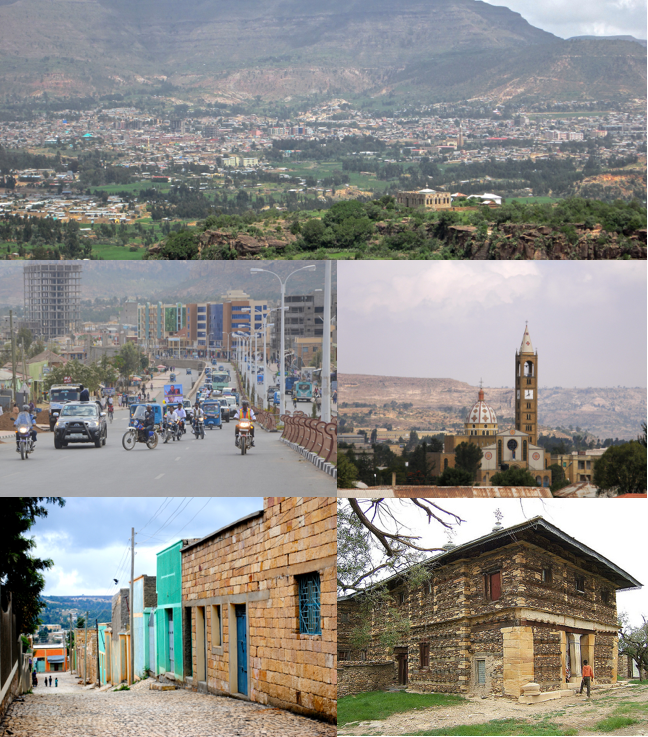
The northernmost city in the unspoilt Tigray region, Adigrat is an ideal stopping point en-route from Axum to Mekele. Although the town itself is nothing special, a new lodge has recently opened on the outskirts of town, which is a comfortable base to explore the rock churches for which the Tigray region is famed.
Political Conflict Resolution Methods for Peaceful Coexistence
Dialogue and Negotiation 👉Encourage open discussions between conflicting parties. 👉Promote listening, compromise, and mutual respect. 👉Example: National peace conferences or community dialogue forums.
Mediation Use neutral mediators (such as religious leaders, elders, or respected community figures) to help resolve disputes. Mediation builds trust and prevents violence.
Power Sharing and Inclusive Governance Involve all ethnic, political, and social groups in government decision-making. ⭐Prevents the feeling of exclusion or marginalization. Example: Coalition governments or proportional representation systems.
Rule of Law and Justice Ensure fair courts, justice, and accountability for crimes. 👉End impunity so that all citizens feel equal under the law.
Civic Education and Awareness 👉Teach citizens about rights, responsibilities, and peaceful participation in politics. 👉Encourages tolerance, respect, and democratic values.
Strengthening Institutions )Build independent institutions such as courts, electoral bodies, and human rights commissions. 👉Reduces corruption and abuse of power, which often cause conflicts.
Reconciliation and Healing Programs 👉Support truth commissions and forgiveness campaigns after conflicts. )Focus on forgiveness, healing, and rebuilding trust among communities.
Economic and Social Development 👉Address poverty, unemployment, and inequality. )Fair distribution of resources reduces political tension and resentment.
Freedom of Expression and Press 👉Allow citizens and the media to express opinions freely. 👉Open communication prevents misinformation and promotes transparency.
Early Warning and Rapid Response Systems 👉Monitor signs of conflict (hate speech, protests, violence). 👉Respond quickly through dialogue or law enforcement before it escalates. The above leads the country to the following Goals. 👉To create a peaceful, democratic, and inclusive society where: 👉Conflicts are resolved through words, not weapons. 👉Justice and equality prevail. 👉Citizens live together with mutual understanding and respect. That’s what we need this in Ethiopia.
Ethiopia: Health professionals at Tikur Anbessa Specialized Hospital hold protest ahead of nationwide strike demanding better pay, benefits, and working conditions
Health professionals at Tikur Anbessa Specialized Hospital held a pre-strike protest on Monday, ahead of a nationwide strike planned for Tuesday to demand better salaries, benefits, and working conditions. Protesters carried placards reading, “We Save Lives But Can’t Afford Rent,” “Stop Harassing Health Workers,” and “Healthy Citizens Build a Strong Economy.” The demonstration follows similar actions held earlier this month in public hospitals nationwide, including over the weekend in Debre Tabor, Debre Markos, Bahir Dar’s Tibebe Ghion, and Felege Hiwot hospitals, where health professionals raised concerns over “delayed salaries, unfulfilled benefit payments, and deteriorating workplace conditions.”
Speaking to Addis Standard, one health professional actively participating in the movement said the nationwide strike is intended to be “a partial strike which preserves emergency, labor, and ICU services,” and added, “we don’t think that’s harmful to the people.” The professional stated, “We really care for our people,” and explained that their oath “obliged us not to harm patients, so we will never do that.” However, he cautioned that if authorities “do any harm to those who are involved in the partial strike, we will be obliged to get into full strike,” and warned that “the government will be fully responsible for all deaths and morbidity that will happen owing to that.”
The world is going down becauses of global decline stem from human activities, neglect of environmental and social issues, and the unequal distribution of resources and opportunities. The effects, however, are already being felt globally, through environmental degradation, social unrest, economic instability, and health crises. Addressing these issues requires urgent action to mitigate further harm and create a more sustainable and equitable world. Causes: Environmental Degradation: Climate Change: Human activities, especially the burning of fossil fuels and deforestation, have caused global temperatures to rise. This leads to severe weather events, sea-level rise, and disruptions to ecosystems. Pollution: Air, water, and soil pollution continue to worsen, leading to the degradation of natural resources and the health of living organisms, including humans. Deforestation: The destruction of forests contributes to loss of biodiversity and exacerbates climate change by reducing the planet’s capacity to absorb carbon dioxide.
Overpopulation: The global population has exceeded 8 billion, putting pressure on resources like food, water, and energy. This can lead to resource depletion, scarcity, and conflicts over these resources.
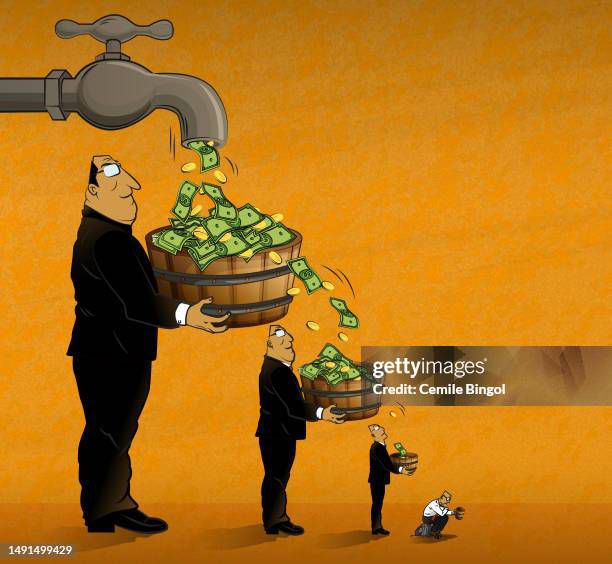
Social and Political Instability: Rising inequality, political corruption, civil unrest, and wars are destabilizing societies and nations, increasing the sense of decline in the world. The erosion of democratic institutions and the rise of authoritarianism in various countries contributes to global instability. Economic Inequality: A growing divide between the rich and the poor, both within countries and globally, exacerbates social tension and leads to economic instability. The concentration of wealth and power in the hands of a few has led to widespread disenfranchisement.
Health Crises: The COVID-19 pandemic highlighted the vulnerability of global health systems and exacerbated the social and economic effects of a public health emergency. The world faces ongoing health challenges, including the rise of new diseases and antibiotic resistance.
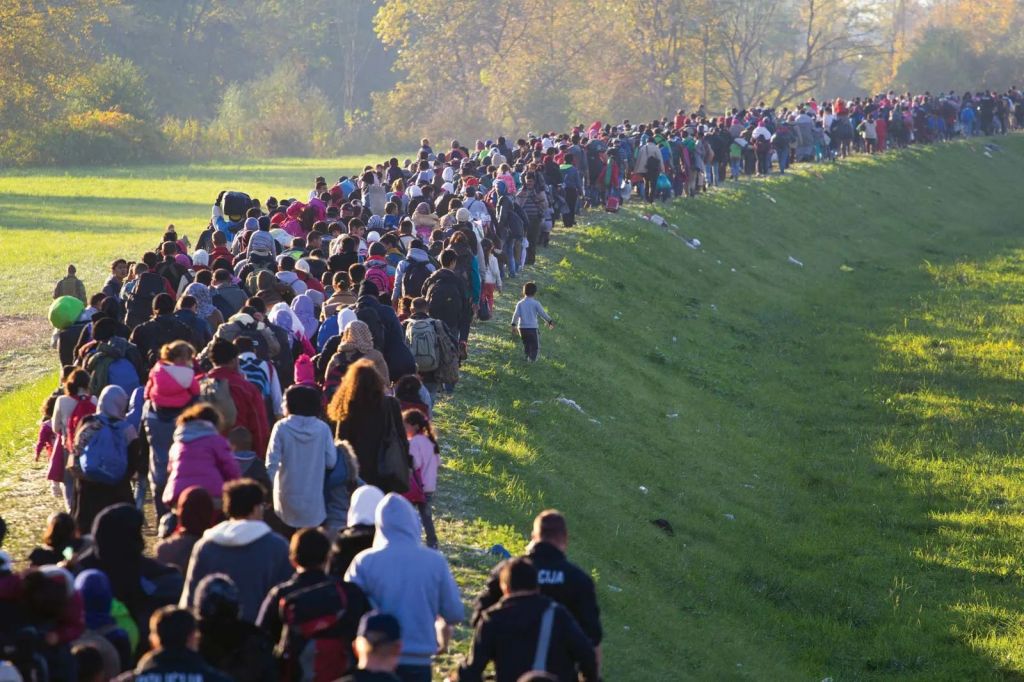
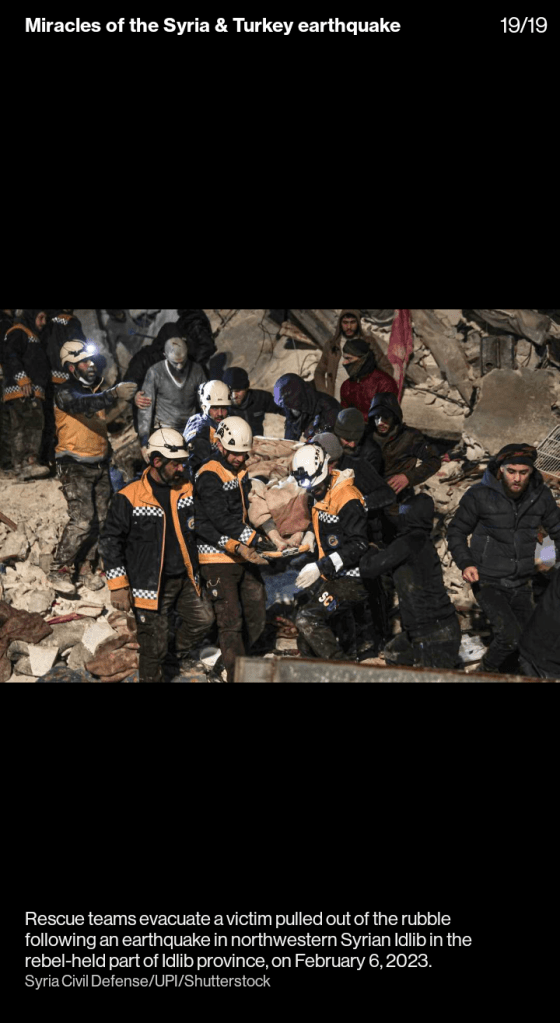
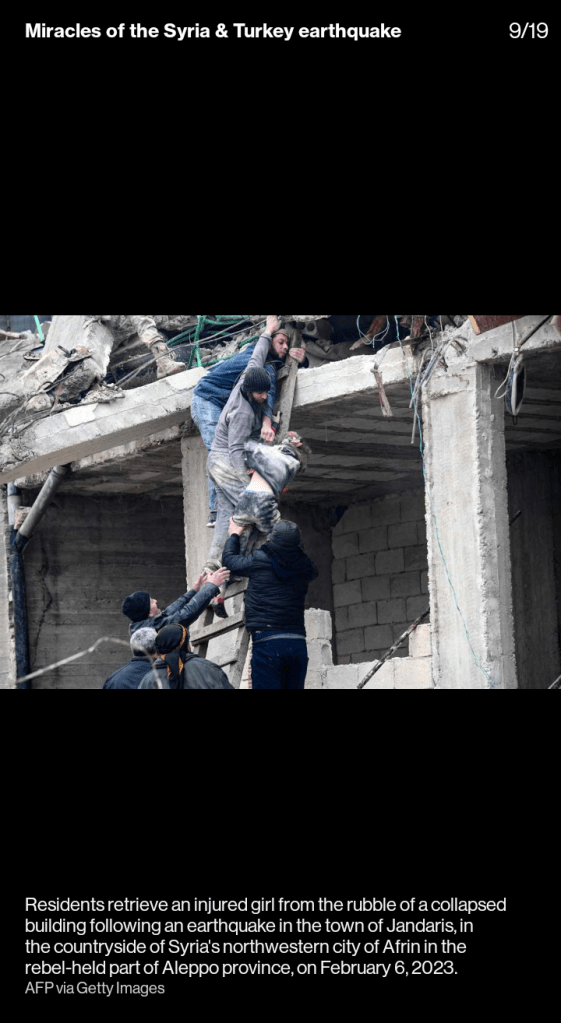
Environmental Consequences: Loss of Biodiversity: Many species face extinction due to habitat destruction, pollution, and climate change, disrupting ecosystems and the services they provide, such as pollination and clean water. Natural Disasters: Climate change is linked to an increase in extreme weather events such as hurricanes, floods, droughts, and wildfires, which devastate communities, displace populations, and cause economic damage. Resource Scarcity: Overexploitation of natural resources can lead to shortages of essential resources like fresh water, arable land, and food, leading to conflict and humanitarian crises. Social and Economic Disruptions: Mass Migration: People fleeing from environmental disasters, economic hardship, or political instability may lead to mass migration, often straining host countries’ resources and creating further social tensions. Economic Collapse: Unchecked economic inequality, coupled with environmental and political instability, can lead to the collapse of financial systems, widespread poverty, and unemployment. Civil Conflict: As resources become scarcer, competition for these resources can lead to wars, ethnic conflicts, and civil unrest.
Psychological Impact: Anxiety and Hopelessness: The ongoing crises can lead to a sense of despair, anxiety, and disillusionment about the future. The “doom and gloom” mentality can negatively impact mental health on a global scale. Polarization: Political polarization and societal divisions can deepen as people become more entrenched in their beliefs, hindering the ability to address global issues collaboratively.
Listening is an active process for constructing meaning in which two kinds of processes are involved simultaneously: bottom-up and top-down processing. Richards (1990) explains these two as follows: A. Bottom-up processing Bottom-up processing … refers to the use of incoming data as a source of information about the meaning of a message. From this perspective, the process of comprehension begins with the message received, which is analyzed at successive levels of organization sounds, words,clauses, and sentences until the intended meaning is arrived at. Comprehension is, thus,viewed as a process of decoding. (p. 50) B. Top-down processing Top-down processing refers to the use of background knowledge in understanding the meaning of a message. Background knowledge may take several forms. It may be previous knowledge about the topic discourse, it may be situational or contextual knowledge, or it maybe knowledge stored in long-term memory in the form of schemata and script plans about the overall structure of events and the relationships between them. (p. 51)
The reasons for neglecting this vital skill are various. oTeachers felt that it was more important to present new language items to the class. They used listening only to practice those items. oThey focused on emphasizing those skills that enabled more systematic instruction and evaluation like grammar, reading and writing. oListening has been viewed as a passive skill. o It is a difficult skill to teach and not possible to assess listening comprehension which takesplace in some hidden recesses of the listener’s mind. The outcome of listening is not tangible like writing or speaking. o Often after a lot of listening practice there is no perceptible improvement which is frustrating for the teacher. o Teachers believe that listening activities take up a lot of teaching- learning time and may require technical equipment. o Some believe that this skill will be automatically picked up through exposure to the target language. It can be acquired naturally in response to the spoken word as with L1. (Ignou,The People’s University, p. 6)
Principles of Teaching Speaking Skills The teacher has an important role to promote communication in the classroom. So, the teacher should implement the teaching principles that lead to effective teaching. Brown (2007, p. 331)has written that there are seven principles for teaching speaking skills, namely:
focus on both fluency and accuracy;
provide intrinsically motivating techniques; Analysis of Lesson Plans for Teaching Speaking (I. Farida, U. Kasim & A. Manan)
encourage the parroting of authentic language;
provide appropriate feedback and corrections;
capitalize on the natural link between speaking and listening;
give students opportunities to initiate oral communication; and
encourage the development of speaking strategies. Implications to teaching Teaching speaking is very important to improve students’ self-confidence in using the language. According to Brown (1994, p. 37), teaching-learning speaking should be given high priority for several reasons:
It combines several language skills that embrace all components of communicative competence.
Language learning is highly dependent on speaking and listening
The Chinese government said Saturday that President Biden’s decision to shoot down the spy balloon that crossed America was an “excessive reaction” and that it “retains the right to respond further.” China claims that its balloon was a “civilian airship” and not the spy device the US claimed it to be, and said that the US’s decision to destroy its property “seriously violates international convention,” according to a statement obtained by The New York Times. “In these circumstances, for the United States to insist on using armed force is clearly an excessive reaction that seriously violates international convention,” the statement said. “China will resolutely defend the legitimate rights and interests of the enterprise involved, and retains the right to respond further.” Two US Air Force fighter jets took out the balloon off the coast of North Carolina Saturday afternoon. By the time the white orb — the size of three school buses — deflated and fell into the ocean, it had spent eight days in the country and covered more than 4,000 miles of American territory. Biden admitted that the Pentagon had known about the balloon since it entered US air space, but decided to keep their knowledge of it a secret to preserve the Chinese-American relationship ahead of Secretary of State Antony Blinken’s planned meeting with Chinese President Xi Jinping in Beijing.
relation is the problem of most of societies and it has a significant effect on mental and physical health. It can be said that dysfunctional sex relation may result in various family problems or sex related illnesses like; AIDS
Substance abuse: Addiction is considered as an unhealthy life style. Smoking and using other substance may result in various problems; cardiovascular disease, asthma, cancer, brain injury. According to the resent studies in Iran, 43% of females and 64% of males experience the use of hubble-bubble (10). A longitudinal study shows that 30% of people between 18–65 years old smoke cigarette permanently (11).Medication abuse: It is a common form of using medication in Iran and it is considered as an unhealthy life style. Unhealthy behaviors in using medication are as followed: self-treatment, sharing medication, using medications without prescription, prescribing too many drugs, prescribing the large number of each drug, unnecessary drugs, bad handwriting in prescription, disregard to the contradictory drugs, disregard to harmful effects of drugs, not explaining the effects of drugs.
Application of modern technologies: Advanced technology facilitates the life of human beings. Misuse of technology may result in unpleasant consequences. For example, using of computer and other devices up to midnight, may effect on the pattern of sleep and it may disturb sleep. Addiction to use mobile phone is related to depression symptoms (12).
Recreation: Leisure pass time is a sub factor of life style. Neglecting leisure can bring negative consequences. With disorganized planning and unhealthy leisure, people endanger their health.
Study: Study is the exercise of soul. Placing study as a factor in lifestyle may lead to more physical and mental health. For example, prevalence of dementia, such as Alzheimer’s disease is lowerin educated people. Study could slow process of dementia.




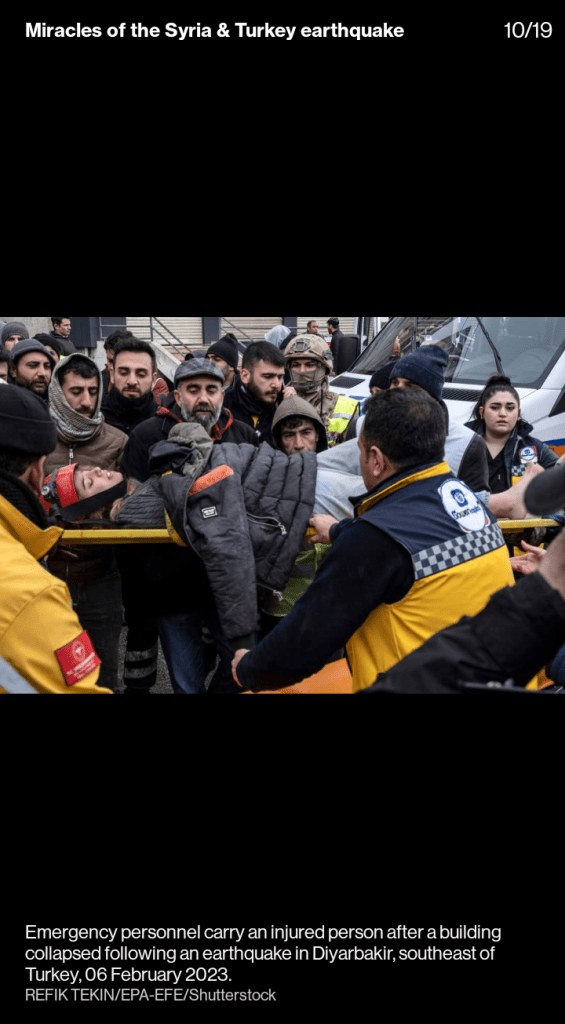
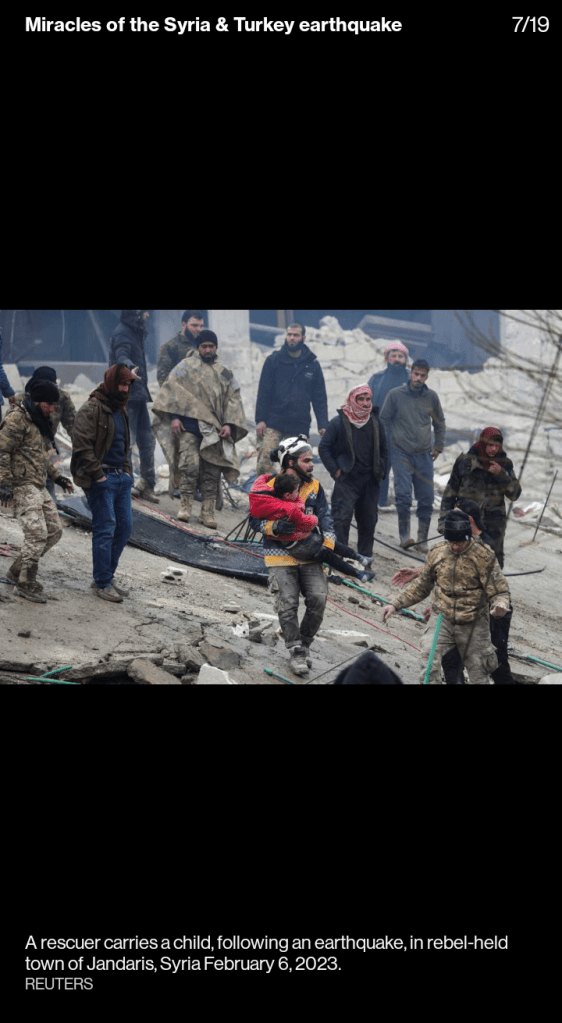
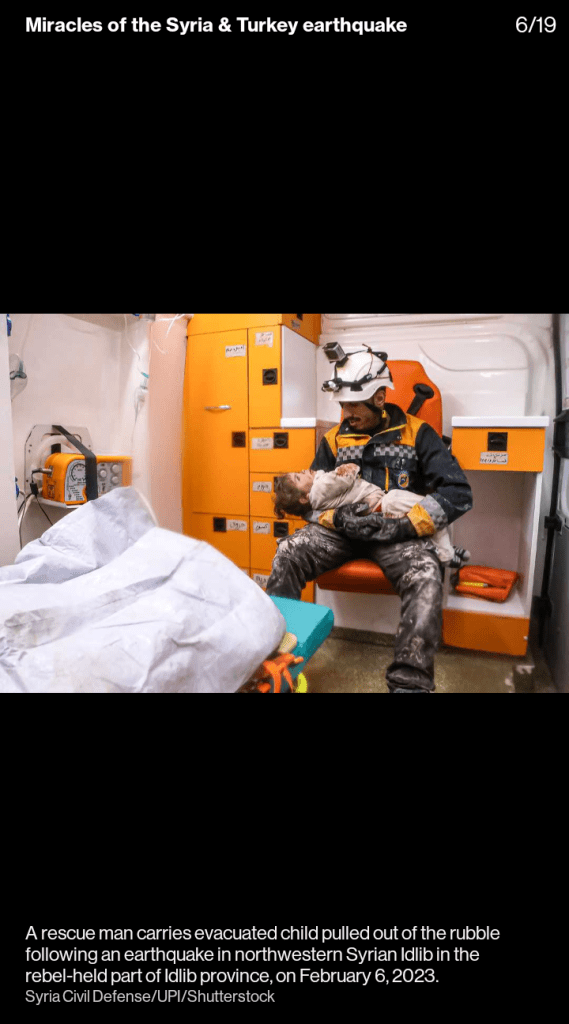
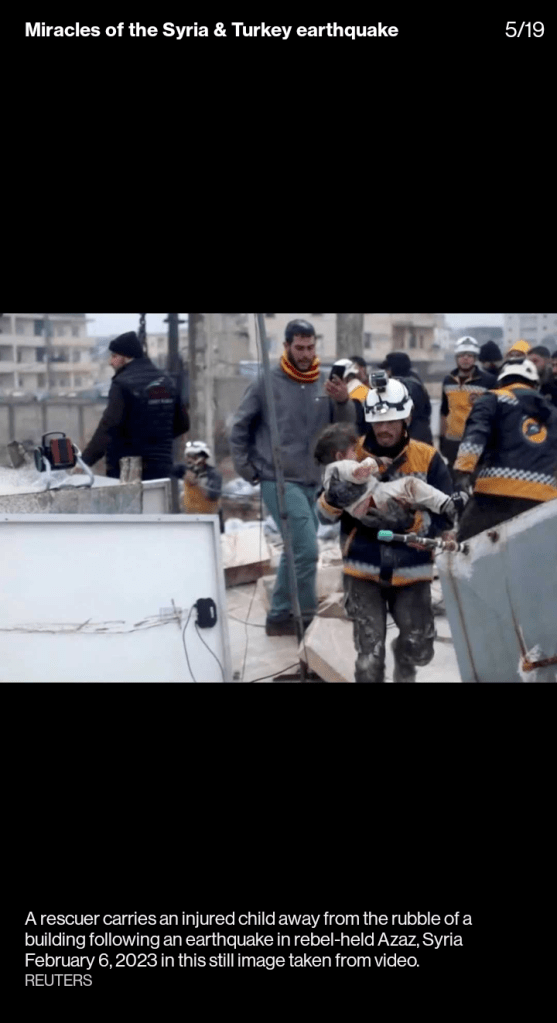
 Hope No suffer in the planet