The world is going down becauses of global decline stem from human activities, neglect of environmental and social issues, and the unequal distribution of resources and opportunities. The effects, however, are already being felt globally, through environmental degradation, social unrest, economic instability, and health crises. Addressing these issues requires urgent action to mitigate further harm and create a more sustainable and equitable world.
Causes:
Environmental Degradation:
Climate Change: Human activities, especially the burning of fossil fuels and deforestation, have caused global temperatures to rise. This leads to severe weather events, sea-level rise, and disruptions to ecosystems.
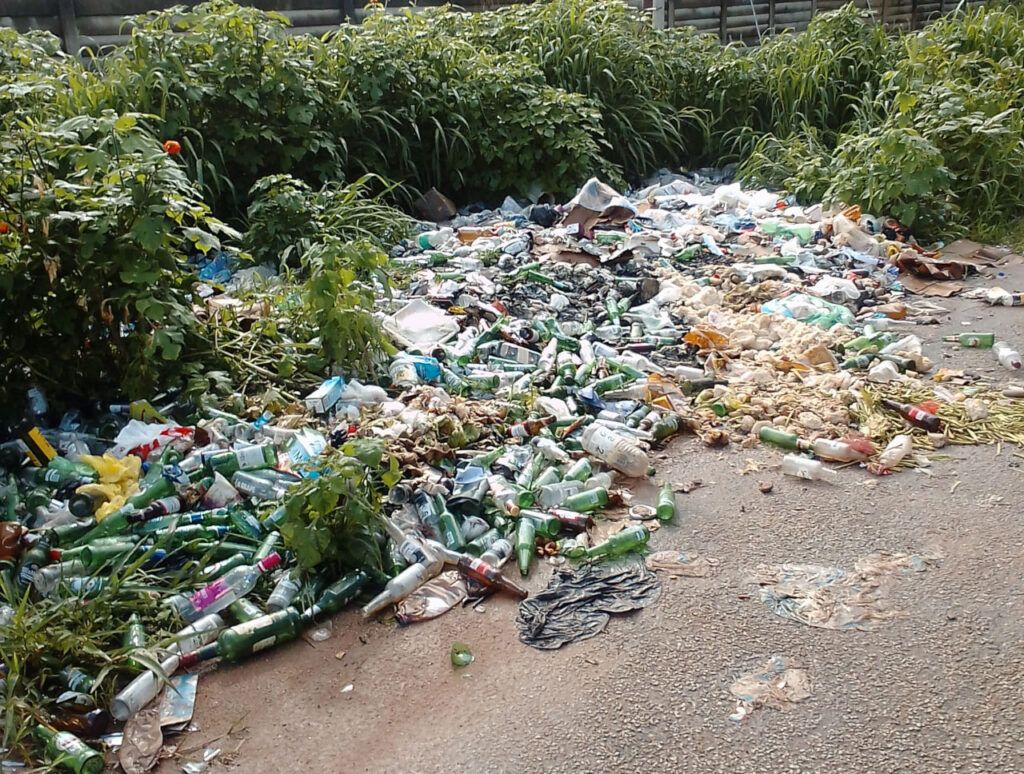
Pollution: Air, water, and soil pollution continue to worsen, leading to the degradation of natural resources and the health of living organisms, including humans.
Deforestation: The destruction of forests contributes to loss of biodiversity and exacerbates climate change by reducing the planet’s capacity to absorb carbon dioxide.
Overpopulation:
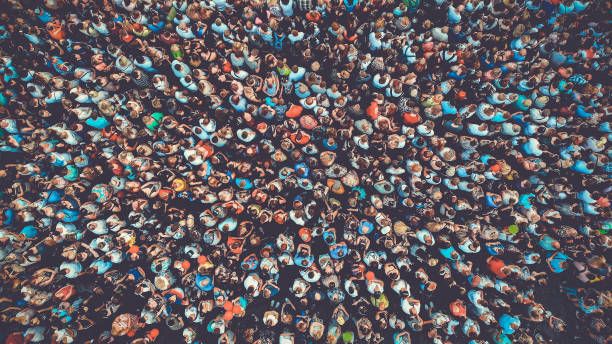
The global population has exceeded 8 billion, putting pressure on resources like food, water, and energy. This can lead to resource depletion, scarcity, and conflicts over these resources.
Social and Political Instability:
Rising inequality, political corruption, civil unrest, and wars are destabilizing societies and nations, increasing the sense of decline in the world.
The erosion of democratic institutions and the rise of authoritarianism in various countries contributes to global instability.
Economic Inequality:
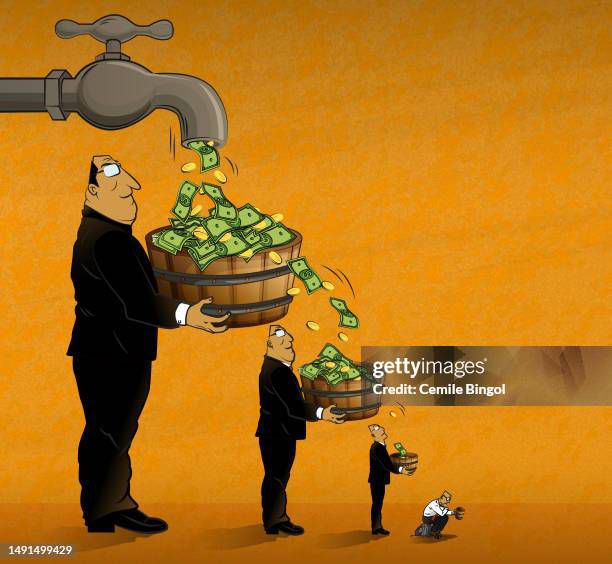
A growing divide between the rich and the poor, both within countries and globally, exacerbates social tension and leads to economic instability. The concentration of wealth and power in the hands of a few has led to widespread disenfranchisement.
Health Crises:
The COVID-19 pandemic highlighted the vulnerability of global health systems and exacerbated the social and economic effects of a public health emergency. The world faces ongoing health challenges, including the rise of new diseases and antibiotic resistance.

Environmental Consequences:
Loss of Biodiversity: Many species face extinction due to habitat destruction, pollution, and climate change, disrupting ecosystems and the services they provide, such as pollination and clean water.
Natural Disasters: Climate change is linked to an increase in extreme weather events such as hurricanes, floods, droughts, and wildfires, which devastate communities, displace populations, and cause economic damage.
Resource Scarcity: Overexploitation of natural resources can lead to shortages of essential resources like fresh water, arable land, and food, leading to conflict and humanitarian crises.
Social and Economic Disruptions:
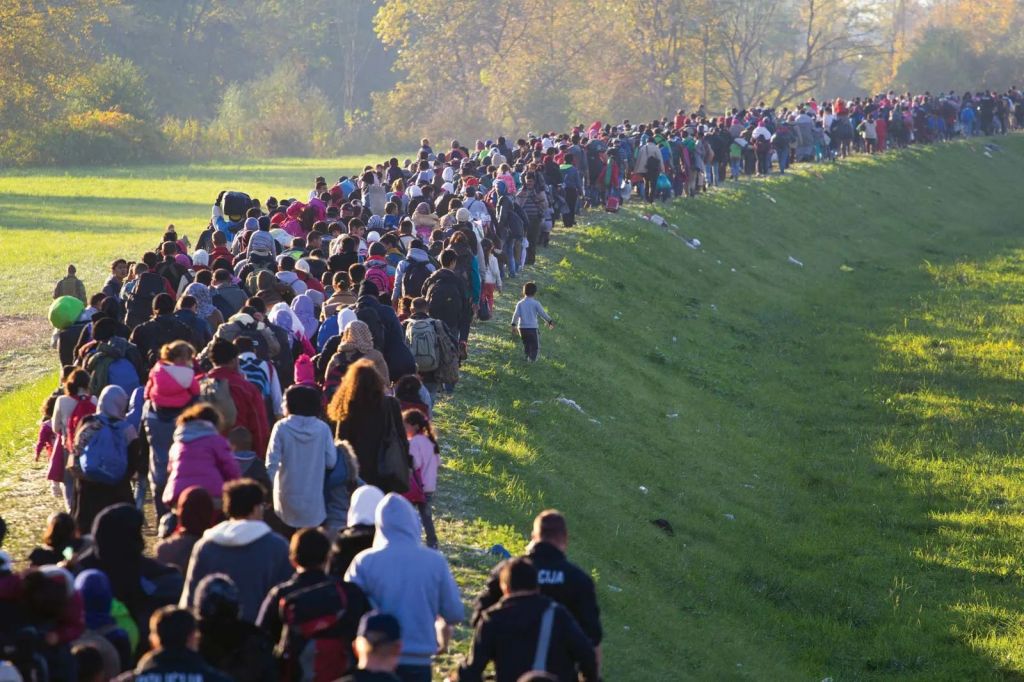
Mass Migration: People fleeing from environmental disasters, economic hardship, or political instability may lead to mass migration, often straining host countries’ resources and creating further social tensions.
Economic Collapse: Unchecked economic inequality, coupled with environmental and political instability, can lead to the collapse of financial systems, widespread poverty, and unemployment.
Civil Conflict: As resources become scarcer, competition for these resources can lead to wars, ethnic conflicts, and civil unrest.
Psychological Impact:
Anxiety and Hopelessness: The ongoing crises can lead to a sense of despair, anxiety, and disillusionment about the future. The “doom and gloom” mentality can negatively impact mental health on a global scale.
Polarization: Political polarization and societal divisions can deepen as people become more entrenched in their beliefs, hindering the ability to address global issues collaboratively.

 Hope No suffer in the planet